

As an Amazon Associate I earn from qualifying purchases.
TLDR
The lifespan of a water softener typically ranges from 10 to 15 years. However, this duration is dependent on several factors such as water usage and hardness. If your water softener is over 10 years old and are looking for a new one then check out the best new water softeners you can buy today.
Water softeners play a crucial role in maintaining the quality of our water supply by removing hardness minerals. However, like all appliances, water softeners have a limited lifespan and require occasional maintenance or replacement.
In this blog post, we'll explore the factors that determine how long water softeners last, signs that indicate your softener may need attention, tips to extend its lifespan, and when it's time to consider a replacement. We'll also address common questions related to water softener maintenance and replacement to help you make informed decisions about your home's water quality.
How long do water softeners last?
The lifespan of a water softener typically ranges from 10 to 15 years with proper care and maintenance. However, this duration is dependent on several factors such as water usage and hardness, with high mineral deposits and usage potentially reducing the lifespan of the water softener.
Regular maintenance can extend the water softener lifespan, while signs of weakening effectiveness, such as sand/dirt particles, incorrect regeneration, low soft water, poor soap lathering, and limescale buildup, indicate the need for replacement.
It is important to note that ensuring your softener is full of salt can fix some issues, and proper maintenance includes occasional checks and cleaning the valve.
While it is possible to replace some of the components like the resin and the valve in a softener when they become less efficient, it is also important to consider the environmental impact of water softeners. Replacing may be beneficial, especially with newer models that use state-of-the-art materials and technology.
Factors that affect the lifespan of a water softener
Various factors can impact the lifespan of a water softener. One of the most significant factors is the mineral content of the water being treated. The higher the mineral content, the more wear and tear the water softener will experience. This is because the resin beads in the water softener become coated with minerals, reducing their effectiveness.
Additionally, the more frequently the water softener is required to regenerate, the shorter its lifespan will be. Consumption levels also play a role, as the more water is treated, the more stress the system experiences. Regular maintenance, such as cleaning the brine tank and replacing salt, can help extend the lifespan of a water softener.
Other factors that impact the lifespan of a water softener include the quality of the resin used, the capacity of the system, and the efficiency of the regeneration process. A high-quality resin will last longer and be more effective at removing minerals from the water. A larger capacity system may be necessary for larger households, but it will also experience more stress and may have a shorter lifespan as a result.
Finally, more efficient regeneration processes, such as those found in newer models, may extend the lifespan of a water softener by reducing the amount of wear and tear on the system. By considering these factors and taking proactive steps to maintain the system, homeowners can extend the lifespan of their water softener and ensure that it continues to provide high-quality soft water for years to come.
Signs of a Water Softener in Need of Maintenance or Replacement
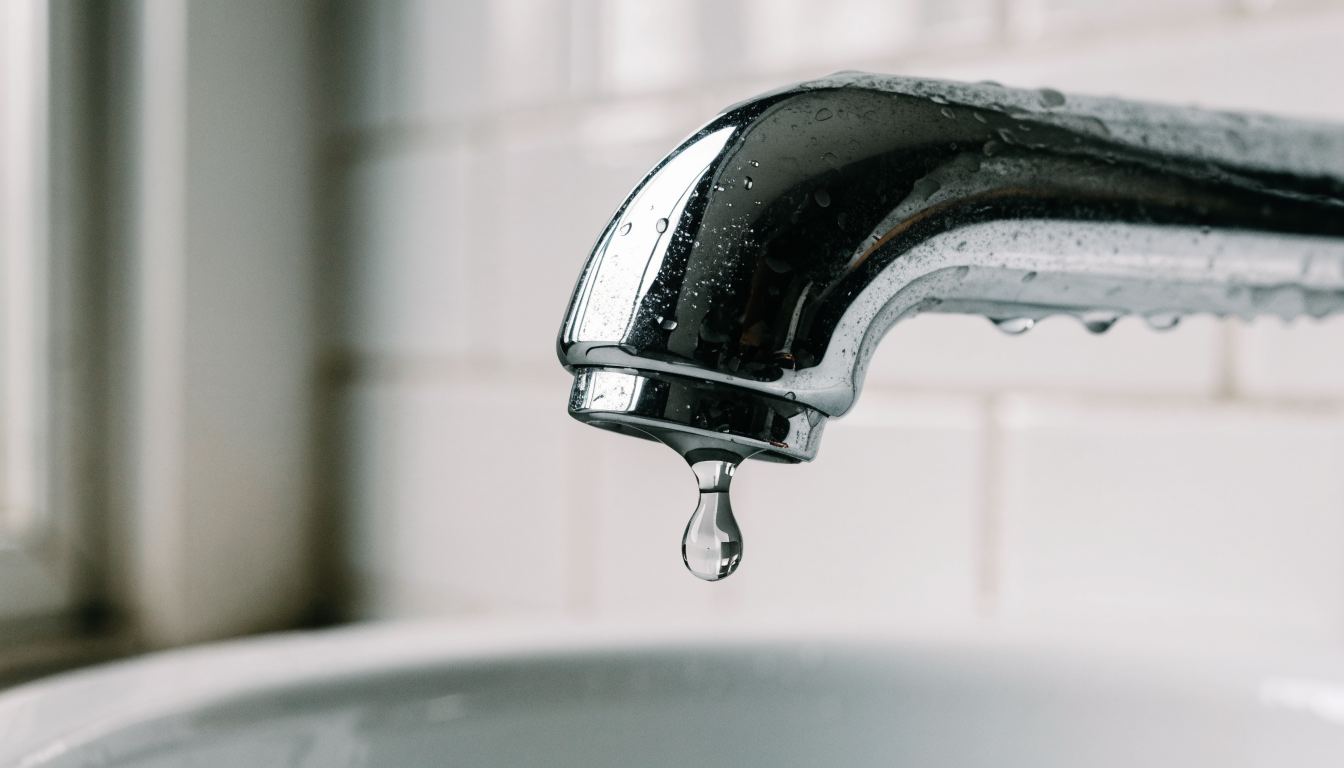
The presence of scale buildup on taps is a clear indication that your water softener isn't working. Scale buildup occurs when hard water minerals, such as calcium and magnesium, are not effectively removed by the water softener. Over time, these minerals can accumulate on faucets and other fixtures, causing unsightly stains and reducing water flow.
Additionally, scale buildup can also affect the performance of household appliances, such as dishwashers and washing machines, leading to decreased efficiency and increased energy consumption. To prevent scale buildup and extend the life of a water softener, regular maintenance is crucial. This includes cleaning the brine tank, using the correct type of salt, and ensuring accurate hardness settings.
If scale buildup persists despite proper maintenance, it may be necessary to consider replacing the water softener to ensure optimal water quality and appliance performance.
Tips to Extend the Life of a Water Softener
Regularly cleaning the brine tank, using the correct type of salt, and ensuring accurate hardness settings are essential steps to extend the life of a water softener.
The brine tank should be cleaned every few months to remove any buildup or sediment that can affect the performance of the system.
Using the correct type of salt, such as tablet or block salt, is important to prevent clogging and maintain optimal efficiency.
Accurate hardness settings should be set based on the water's mineral content to ensure the softener is working efficiently.
This will ultimately extend the life of the system and provide the desired results of softened water for a longer period of time.
Servicing: what needs doing, and how often
Most modern softeners do not need an annual service to keep working. Mechanically they will run for years on salt and the occasional clean, so the usual reason to book one is the warranty rather than the machine. Parts cover on some UK ranges is conditional on paying the manufacturer for an annual visit, so read those terms before you decide to skip it.
Everything in this section is owner maintenance. None of it needs an engineer, and keeping on top of it is what stops a working softener being written off as a broken one.
Work out which fault you have first
| What you notice | Usual cause | What fixes it |
|---|---|---|
| Salt level never seems to drop | The salt has set into a solid bridge, so none of it is dissolving | Break the crust up and let the brine re-form |
| Salt is being used as normal but the water is still hard | Resin is fouled or worn out | Resin cleaner first, replacement if that does not recover it |
| Gritty or sand-like particles at the taps | Resin beads breaking down into fines | Resin replacement |
| It regenerates on schedule but the water stays hard | Blocked venturi valve, so no brine is being drawn through | Strip and clean the venturi |
| No regeneration at all | Power supply, or a failed control valve | Check the plug and breaker before anything else |
Salt bridges
A salt bridge is a hard crust that forms across the salt in the tank, leaving an air gap underneath. The machine carries on running its cycles, but no brine is being made, so the resin never regenerates and the water goes hard while the tank still looks full. Damp conditions and cheap salt with a high insoluble content are the two things that cause it.
Breaking it up is a two minute job with a broom handle. If it keeps coming back, change salt type before you change anything else.
Cleaning the brine tank
Every few years the brine tank is worth emptying and washing out. You are looking for sludge in the bottom, salt residue up the walls, and anything blocking the brine well, which is the tube the float sits in. Warm water and washing up liquid is all it takes, and the tank wants to be dry before the salt goes back in.
The venturi valve
The venturi is what creates the suction that pulls brine out of the salt tank and into the resin. Because it sits in the path of saturated brine, it silts up, and a blocked one is a common reason a softener regenerates perfectly on schedule and still delivers hard water. Unscrew the cover, lift out the internal parts, wash them in soapy water and put them back. Once or twice a year is plenty.
Resin cleaner and resin replacement
Resin does not last forever. Iron and chlorine in the incoming supply both degrade it, and the giveaway is a softener using its normal amount of salt while producing water that is noticeably less soft than it was. Fine, sand-like particles appearing at the taps mean the beads themselves are breaking down, and at that point cleaning will not save them.
Before replacing anything, it is worth running a resin cleaner through the brine tank and then forcing a manual regeneration to flush it out. Follow the dose on the bottle rather than guessing, and if two treatments make no difference, the resin is the problem rather than the fouling.
Check resin cleaner price on AmazonDo not run it empty
A softener left without salt stops softening, which most people notice, but it also sits with the resin unregenerated for as long as it takes you to get round to it. If you are going away, top it up before you go rather than after you get back.
What a paid service actually includes
If you do pay for one, it is largely the list above done for you, plus two things you cannot easily do yourself: the valve settings checked against your actual water hardness and usage, and a hardness test on the output to confirm the machine is still hitting the figure it should. Worn parts get swapped at the same time. Ask what is included before booking, because the gap between a full service and someone tipping in a bag of salt is a wide one.
Indications your softener needs to be replaced
Replacing a water softener may be necessary if it fails to regenerate or constantly regenerates, experiences changes in water pressure, or if sand-like particles are present in the water. These indications can signal underlying issues with the unit. It's important to address these problems promptly to ensure the efficient operation of the water softener and maintain the desired level of water softness.
Additionally, there are other reasons to consider updating a water softener, such as changes in family size, the unit nearing or past its lifespan, advancements in technology and efficiency, areas with particularly hard water, or a desire for eco-friendly products.
Other Reasons to Update a Water Softener
Areas with particularly hard water can benefit from updating a water softener to prevent scale buildup on taps, fittings and appliances. Hard water contains high levels of minerals such as calcium and magnesium, which can mean your softener won't last as long.
By updating a water softener, homeowners can enjoy softer water that is gentler on their skin and hair, while also preventing the need for frequent cleaning and maintenance. Additionally, updating a water softener can provide eco-friendly benefits by reducing the use of harsh chemicals and detergents, as soft water requires less soap to create a lather.
Investing in an updated water softener is a wise decision for homeowners seeking to improve their water and create a more comfortable living environment. To find the best water softener for you check out this article.
Frequently Asked Questions
What are the common signs your water softener needs to be replaced?
There are several common signs that indicate your water softener may need to be replaced. One of the most noticeable signs is a decrease in the quality of your water and the benefits you normally get from having a water softener. If you notice that your soap doesn't lather as well, your skin feels dry after showering, or your clothes are stiff after washing, it is likely that your water softener is no longer functioning properly.
Another sign is an increase in your water bill. A malfunctioning water softener can lead to more water being used, which can result in higher water bills. Additionally, if you notice a build-up of scale or mineral deposits on your taps, showerheads, or dishes, it may be an indication that your water softener is not effectively removing these substances from your water. Lastly, if your water softener is more than ten years old, it may be approaching the end of its lifespan and should be replaced.
Do water softeners lose effectiveness over time?
Yes, water softeners can lose effectiveness over time due to a buildup of minerals and other contaminants in the resin bed. This can cause the resin beads to become less efficient at removing hardness minerals from the water. Additionally, if the unit is not properly maintained or if the resin bed becomes damaged, the water softener may not work as well as it should. Regular maintenance and proper use can help prolong the effectiveness of a water softener.
What is the average cost of a water softener replacement?
The average cost of a water softener replacement varies depending on factors such as the type of system, capacity, and brand. On average, a replacement can cost anywhere from £500 to £1000, with installation fees adding to the overall cost.
How often should a water softener be serviced by a professional?
Water softeners should be serviced by a professional every 1-2 years, depending on usage and water hardness. Maintenance may include changing resin beads, checking valves and controls, and replacing parts as needed. Regular servicing can prolong lifespan and improve efficiency.
How does a water softener impact the environment and water usage?
Water softeners use salt and consume energy during regeneration, resulting in increased water usage and environmental impact. However, newer models have improved efficiency and reduced waste, making proactive replacement an eco-friendly choice. You should also steer clear of timer models as they regenerate every day even if no water has been used, meaning that salt and water is used up regardless of your own usage.
How do you know when your water softener needs to be replaced?
Here are a few signs that indicate that a water softener needs to be replaced:
The water feels hard: If you start to notice that your water feels harder than it used to, it could be a sign that your water softener is losing its effectiveness.
Decreased water flow: If your water flow has decreased significantly, it could be a sign that your water softener needs to be replaced.
Salt usage increases: If you notice that your water softener is using more salt than usual, it could be a sign that it's not working properly and needs to be replaced.
Water quality issues: If you're experiencing issues with water quality, such as limescale deposits or a change in taste, it could be a sign that your water softener is no longer doing its job effectively.
Age of the water softener: If your water softener is more than 10 years old, it's likely that it's time for a replacement.
Conclusion
In conclusion, water softeners are an essential appliance in households that suffer from hard water. Their average lifespan is around 10-15 years, but various factors affect their longevity, such as water quality, usage, and maintenance.
To prolong the lifespan of water softeners, regular cleaning and servicing are necessary. If the appliance requires replacement, it is recommended to invest in a high-quality model that suits the household's needs and budget. It is also crucial to consider the type of regeneration system, salt usage, and water efficiency before buying a water softener.
Overall, with proper care and attention, water softeners can provide effective and efficient water softening solutions for years to come.
Want to find the best softener for you, check out our rundown here.


0 Comments