

When it comes to choosing the perfect bath for your bathroom, there are various types of baths to consider, each offering unique functionality, features, size options, and materials. Standard rectangular baths provide a classic and versatile option, while shower baths combine luxury and convenience for those who prefer a multi-functional design.
For smaller bathrooms, corner baths can maximise space efficiently. If luxury and relaxation are top priorities, whirlpool Jacuzzi baths offer a spa-like experience, while large baths provide ample space for a truly blissful bathing experience.
In terms of materials, options range from cost-effective and durable acrylic baths to hard-wearing enamelled steel baths, classy stone baths, and superior strength Carronite baths. Each material has its own advantages and aesthetic appeal, catering to different preferences and needs.
This guide covers the bath shapes you can actually buy in the UK and the four materials they come in, along with the practical limit on each one.
What are the different types of baths?
In this section, we will explore the different types of baths available in the market, helping you choose the perfect one for your bathroom. Whether you prefer a relaxing soak, a quick shower, or a luxurious spa-like experience, we've got you covered.
The shape decides where the bath can go and whether you can shower over it. The material decides how warm it feels, how easily it marks and what it costs. Both are worth settling before you start comparing prices.
Standard Rectangular Baths
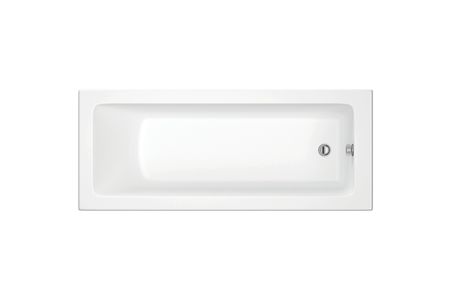
Standard rectangular baths are a popular choice for bathrooms due to their practicality and versatility. Here are some features and benefits of these baths:
- Size: Rectangular baths come in various sizes, making it easier to find one that fits perfectly in your bathroom. They can accommodate both small and large spaces, allowing for flexibility in design.
- Design: The clean and simple design of a standard rectangular bath makes it a timeless choice that can blend seamlessly with any bathroom decor. It offers a classic and elegant look that never goes out of style.
- Comfort: The rectangular shape of these baths provides ample space to stretch out and relax during a bath. The straight sides and flat bottom offer a comfortable bathing experience, allowing you to fully immerse yourself in the water.
- Accessibility: Standard rectangular baths are typically designed with accessibility in mind. They can have a low step-in height, making it easy to enter and exit the bath, especially for individuals with mobility concerns or those who require assistance.
- Versatility: Rectangular baths can be used for both showering and bathing purposes. They often come with optional shower screens or bath screens, allowing you to use the bath as a shower enclosure as well. This versatility is ideal for bathrooms where space is limited.
- Durability: These baths are typically made from high-quality materials such as acrylic or enamelled steel, ensuring durability and longevity. They are resistant to chipping, cracking, and fading, making them a reliable choice for long-term use.
- Easy to clean: The flat surfaces and straight lines of rectangular baths make them easy to clean and maintain. With minimal curves and corners, there are fewer areas for dirt and grime to accumulate, simplifying the cleaning process.
- Cost-effective: Standard rectangular baths are generally more affordable compared to other bath designs, such as freestanding or corner baths. They offer a cost-effective option without compromising on functionality or style.
In summary, standard rectangular baths offer a practical and versatile bathing solution for bathrooms. They provide comfort, accessibility, and a timeless design that can enhance the overall aesthetic of your bathroom.
Shower Baths: Combining Luxury and Convenience
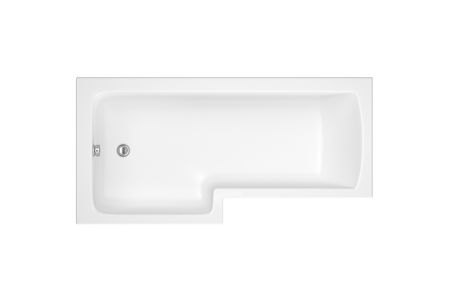
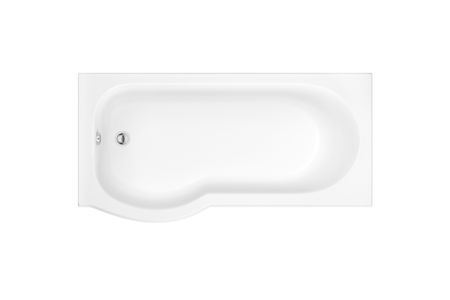
You should consider a shower bath if you want to combine luxury and convenience in your bathroom. Shower baths eliminate the need for separate shower and bath units, making them more suitable for smaller bathrooms. They are popular in modern homes with limited space as they combine the functionalities of a bath and shower.
Freestanding or built in: the comparison a showroom will not make
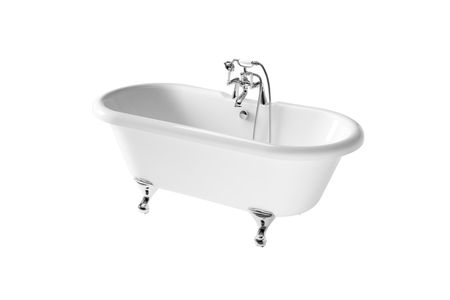
A built-in bath sits in an alcove or against a wall with a panel across the front, and it is what the overwhelming majority of UK bathrooms have. A freestanding bath stands clear of the walls on all sides. The showroom version of this choice is about how it looks. The version that decides whether you are still happy with it in two years is about four duller things: the floor, the taps, the shower and the cleaning.
| Consideration | Built in | Freestanding |
|---|---|---|
| Floor loading | Weight carried close to the walls, where a timber floor is strongest | Weight concentrated on feet or a plinth part way across the span, where it is weakest |
| Showering over it | Straightforward, with a screen fixed to the wall and the bath edge | Usually not possible, because there is no wall to seal a screen against |
| Taps | Bath rim or wall, fed by pipework hidden behind the panel | Rim, wall, or a floor-standing pillar tap that needs pipework up through the floor in exactly the right place |
| Waste and trap access | Behind a panel you can unscrew | Through whatever gap the design leaves, and on some models only by moving the bath |
| Cleaning | Three edges sealed to tiling, one flat panel | No sealed edges to go mouldy, but a floor to clean all the way round and underneath |
| Space needed | The footprint of the bath | The footprint plus a usable gap on every side |
Settle the floor first. A filled bath holds a considerable weight of water, with a person on top of it. A built-in bath spreads that load through a frame near the walls. A freestanding bath, and particularly a cast iron or stone one, puts it through four feet or a central plinth part way across the joists. On a solid ground floor it does not matter. On a suspended timber floor, and especially upstairs, it is a question for somebody who can look at the joist sizes and spans, not something to discover afterwards. Ask the manufacturer for the filled weight of the specific model and take that figure with you.
Then ask whether this is your only bathroom. If the household has one bathroom and everybody showers in it, a freestanding bath is the wrong answer however good it looks, because you cannot seal a screen to thin air. The arrangement that does work is a freestanding bath plus a separate shower, which needs a room big enough for both and a shower tray and enclosure to go with it.
The taps catch people out. Floor-standing pillar taps are a large part of why freestanding baths get chosen, and they commit you to bringing hot and cold up through the floor at a fixed centre distance, decided before the floor goes down. Get that wrong and the fix is lifting the floor again. Rim or wall-mounted taps avoid the problem entirely, and on a first-floor bathroom they are the sensible choice.
On price, compare the job rather than the bath. A freestanding bath generally costs more than an equivalent built-in bath in the same material, but the gap in the bath price is the smaller half of it. A floor-standing tap set, pipework routed through the floor and, in some cases, strengthening the floor are all costs a built-in bath in an alcove simply does not have. A standard rectangular acrylic bath with a panel is still the cheapest way to get a bath into a room, which is a good part of why it remains the most common.
The honest summary: go freestanding if the room is big enough for a gap all the way round, the floor can carry it, and you have a shower somewhere else. Go built in for everything else, and do not read that as settling, because it is what nearly every UK bathroom does and for sound reasons.
Corner Baths: Maximising Space in Small Bathrooms
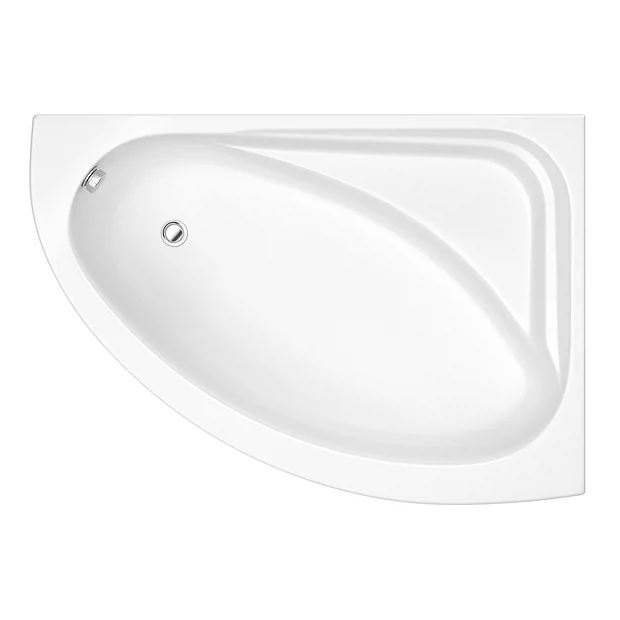
Maximise the space in your small bathroom with a corner bath, which fits perfectly in odd and unused corners. A corner bath offers effective space management, making your tiny bathroom appear more luxurious and spacious. Cleaning the corners of a corner bath can be challenging, but the benefits outweigh the minor inconvenience.
Benefits of a Corner Bath:
- Efficient use of space: Utilise the often neglected corners of your bathroom for a functional and stylish bathing experience.
- Enhanced aesthetics: The unique placement of a corner bath adds a touch of elegance and sophistication to your bathroom decor.
- Increased functionality: With a corner bath, you can enjoy a relaxing soak without sacrificing valuable floor space.
A corner bath suits a room where a rectangular bath will not fit along any wall. The trade-off is that the usable bathing area is often shorter and shallower than the overall footprint suggests, so work from the internal dimensions rather than the outside measurements.
Whirlpool Jacuzzi Baths: Providing Luxurious Relaxation
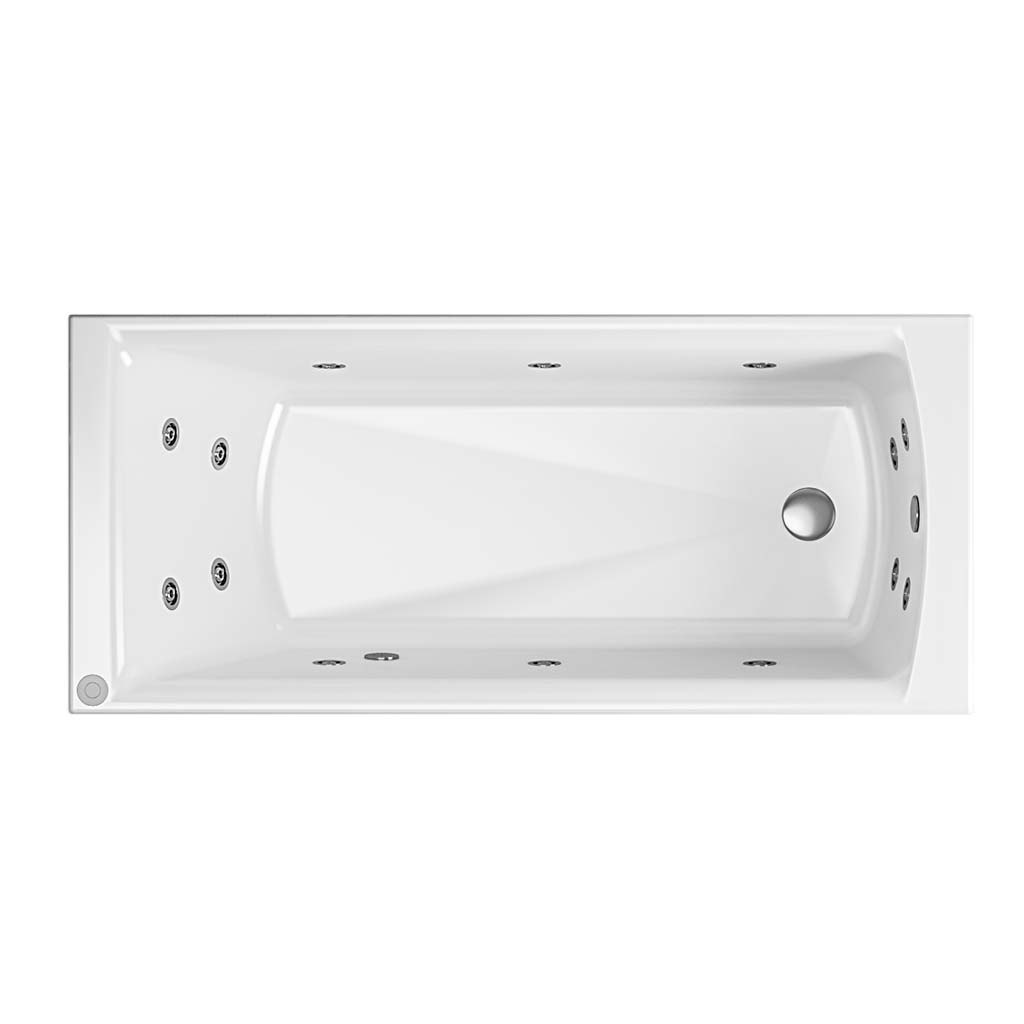
A whirlpool bath is an ordinary bath shell with a pump and a ring of jets plumbed into it. It comes in the same shapes and sizes as a standard bath, so the shape is rarely what decides it. Three other things are.
It needs an electrical supply. The pump has to be wired in, and electrical work in a bathroom is subject to the Building Regulations and to strict zoning rules, so part of the job needs a qualified electrician rather than a plumber. That cost is the one people leave out when they compare a whirlpool bath against a standard one.
The pipework holds water after you pull the plug. The bath drains but a film stays in the jet pipework, which is why manufacturers specify a cleaning or purge routine, and why a neglected whirlpool bath develops a smell. If nobody in the house is going to run that routine, the jets stop getting used and you have paid for a pump you do not switch on.
Access for repairs decides the long term. A pump is a wearing part, so at some point somebody has to reach it. Check before it is fitted that the panel or hatch arrangement allows that without breaking out tiling, because on some installations that is exactly what it takes.
Claims that hydrotherapy treats specific medical conditions are not something this site will make. If you are considering a whirlpool bath for a health reason, that is a question for your GP or physiotherapist rather than for a bathroom retailer.
Large Baths: Offering Ample Space for a Blissful Bathing Experience
Choose a large bath for a spacious and luxurious bathing experience, providing ample space for you to relax and unwind. A large bath offers numerous benefits that enhance your bathing experience.
- Comfort: The extra space allows you to stretch out and fully immerse yourself in the water, providing ultimate relaxation.
- Flexibility: Large baths come in both double-ended and single-ended options, catering to your personal preferences.
- Accessibility: If you are taller or have mobility issues, a large bath provides maximum comfort and ease of use.
- Variety: Top brands offer a wide range of designs, ensuring you can find the perfect bath to suit your bathroom decor.
- Cost-effectiveness: You can find cost-effective options that offer similar quality to high-end baths, making it a budget-friendly choice.
Two practical limits apply to a large bath. The first is the filled weight on the floor, which matters most upstairs on a timber floor. The second is how long your hot water system takes to fill it, since a combi boiler with a modest flow rate will keep you waiting and a cylinder may not hold enough for a full bath plus anything else.
What are the different types of Bathtub Materials?
When it comes to choosing the perfect bath for your bathroom, one of the most important factors to consider is the material from which it is made. Each material offers unique characteristics and benefits, catering to different preferences and requirements. In this section, we will delve into the various types of baths available in the market and focus on the materials used to craft them. Our discussion will revolve around four popular options: Acrylic, Enamelled Steel, Stone, and Carronite baths.
Acrylic Baths: Cost-Effective and Durable Material Choice
Acrylic baths are a cost-effective and durable choice for your bathroom. They are strong and long-lasting bathtubs that can withstand daily use. Acrylic baths are also reinforced with fibreglass, adding even more strength to their structure.
Acrylic is the cheapest way to get a bath into a room, which is most of the reason it is the most common. No manufacturer publishes a service life for an acrylic bath, so any figure in years quoted for one is somebody's estimate rather than a specification. What manufacturers do publish is a guarantee period, and that is the number worth comparing between the models in front of you.
If you're looking for a durable and cost-effective bathtub option, acrylic baths are a great choice. They provide a reliable and stylish addition to your bathroom, giving you a long-lasting bathing experience without breaking the bank.
Enamelled Steel Baths: Hard-Wearing and Scratch-Resistant Option
When considering your bathtub options, you'll find that enamelled steel baths are a durable and scratch-resistant choice. These baths offer several advantages that make them a popular option for homeowners like yourself. Here are three reasons why enamelled steel baths are worth considering:
- Harder surface: the vitreous enamel finish is considerably harder than acrylic, so it resists scuffing and does not flex underfoot. Neither material has a published service life, so compare the manufacturer's guarantee rather than any figure in years.
- Scratch-resistant: The enamel coating on these baths prevents scratches and keeps them looking new for longer. This feature is especially important if you have children or pets who may accidentally damage the surface.
- Rust prevention: Enamelled steel baths are resistant to rust, ensuring that your bathtub remains in excellent condition for years to come.
How acrylic and enamelled steel actually differ in use. Rather than a lifespan in years, the useful comparison is in how each one fails. Acrylic flexes slightly underfoot, scratches more easily and can discolour, but light scratches can be polished out and it feels warm to sit in. Enamelled steel is rigid and much harder to scratch, but the enamel chips if something heavy is dropped on it, a chip exposes the steel underneath, and it cannot be polished out. Steel also feels cold on first contact and loses heat from the bathwater faster. Which of those matters more depends on the household rather than on a number.
Stone Baths: Classy and Sophisticated Addition to the Bathroom
If you're looking to add a touch of class and sophistication to your bathroom, consider a stone bath.
Stone baths are made either from natural stone such as marble or granite, or from a cast composite with stone content. They are heavy and expensive, and they hold heat well, which is the genuine functional advantage over acrylic.
The weight is the thing to settle first. A stone bath on a suspended timber floor is a question for somebody who can check the joist sizes and spans, and the answer is sometimes no. Ask the supplier for the filled weight of the specific model before you get as far as choosing a finish.
However, it's important to note that they can be prohibitively expensive. If you're willing to invest in a stone bath, you'll be rewarded with a fixture that not only adds beauty to your bathroom but also stands the test of time.
Carronite Baths: Reinforced Acrylic With a 40-Year Guarantee
Carron publishes a 40-year guarantee on its Carronite baths, which is the longest guarantee of the four materials here. Carron also states that it covers manufacturing faults only, and not accidental damage or fair wear and tear, so it is not a promise that the bath will survive whatever happens to it. Source: Carron Bathrooms, Carronite, checked on 8 October 2026.
With its patented triple-layer reinforcement process, Carronite baths offer unmatched strength and durability. The strong and water-resistant surface of Carronite baths makes them resistant to scratches and stains, making maintenance a breeze.
Carronite is Carron's reinforced acrylic, so it fits and plumbs in exactly like a standard acrylic bath with no special requirements.
The practical appeal is that it gets closer to the rigidity of steel while keeping acrylic's warmth to the touch and its standard installation, at a price between the two.
Frequently Asked Questions
What maintenance does a whirlpool bath need?
Follow the cleaning or purge routine in the manufacturer's instructions for the specific model, because water stays in the jet pipework after the bath has drained. The pump is a wearing part, so check before fitting that it can be reached for repair without breaking out tiling.
How long does an acrylic bath last?
There is no published figure, and any specific number of years quoted for one is an estimate rather than a manufacturer specification. In practice an acrylic bath is usually replaced because the bathroom is being redone, or because the surface has been scratched or discoloured, rather than because the bath has failed. Compare the guarantee period offered on the model you are looking at.
What Is the Installation Process Like for Cast Iron Bathtubs?
The installation process for cast iron bathtubs can be tough due to their weight and size. It requires careful planning and assistance. However, once installed, they provide a generous bathing space and a scratch-resistant surface.
Related guides
- Shower trays explained: what you need if the bath is going and a shower is going in.
- Wet room or walk-in shower: the comparison worth making before you commit to losing the bath.
- Best silicone sealant: the bead along the bath edge is the first thing to fail in a new bathroom.
- Best shower cleaners: which products are safe on acrylic and enamel, and which will damage them.




0 Comments