
As an Amazon Associate I earn from qualifying purchases.
The taps run hot and the radiators are stone cold. That combination is useful, because it rules out a lot straight away: the boiler is firing, the gas is on, there is water in the system and the electricity supply is fine. Something is stopping the heat reaching the radiators specifically, and there are only a handful of things that can do that.
Which handful depends entirely on what kind of boiler you have, and almost none of the pages ranking for this question ask you that first. A combi has no cylinder, no zone valves and no cylinder thermostat, so three of the most commonly listed causes cannot apply to it. A system or regular boiler with a cylinder in the airing cupboard has all three, and its diverter valve problem is a different component in a different place.
So route yourself first, then work the free checks, then decide whether you are calling anyone. I ran plumbers merchants for sixteen years and the number of winter callouts that turned out to be a flat thermostat battery or a programmer that had lost its schedule after a power cut was not small. I am not a plumber and I have never held Gas Safe registration, so nothing below asks you to open a boiler. It is written to get you to the right answer before you spend money on someone else finding it.
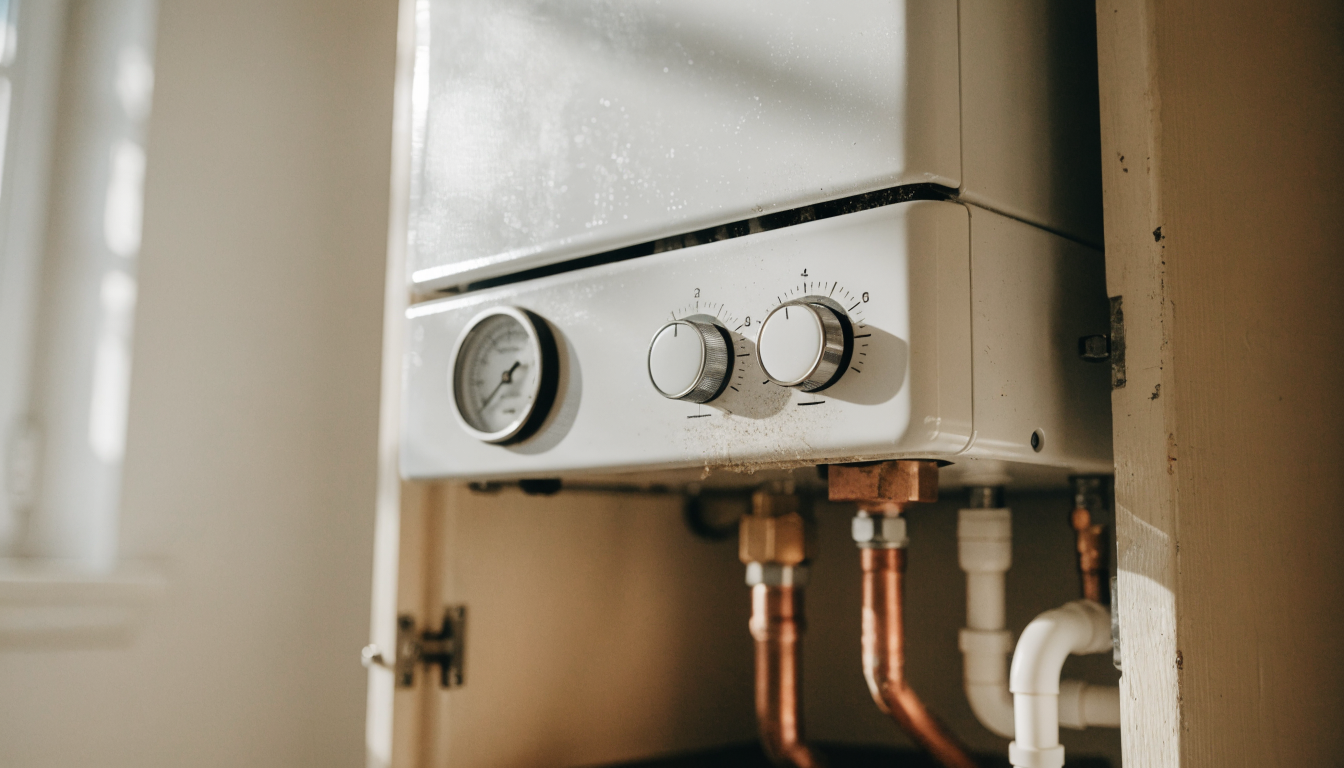
Start here: which boiler have you got?
You do not need the model number. You need to know whether hot water is made on demand as you run a tap, or stored in a cylinder. Look in the airing cupboard or the loft.
If you are not sure which you have, the differences between a combi and a stored hot water system are set out in more detail on its own page, including how to tell them apart from the pipework alone.
The free checks to do before you phone anyone
These apply to every boiler type. Work down the list in order. Each one takes a minute or two and none of them involves opening anything.
On the battery check, one thing worth saying: use ordinary 1.5 volt alkaline cells, not rechargeables. Rechargeable NiMH cells put out 1.2 volts, and several wireless thermostats read that as a low battery and behave unpredictably. A multipack of alkaline AA cells is a couple of pounds and worth keeping in the drawer for exactly this.
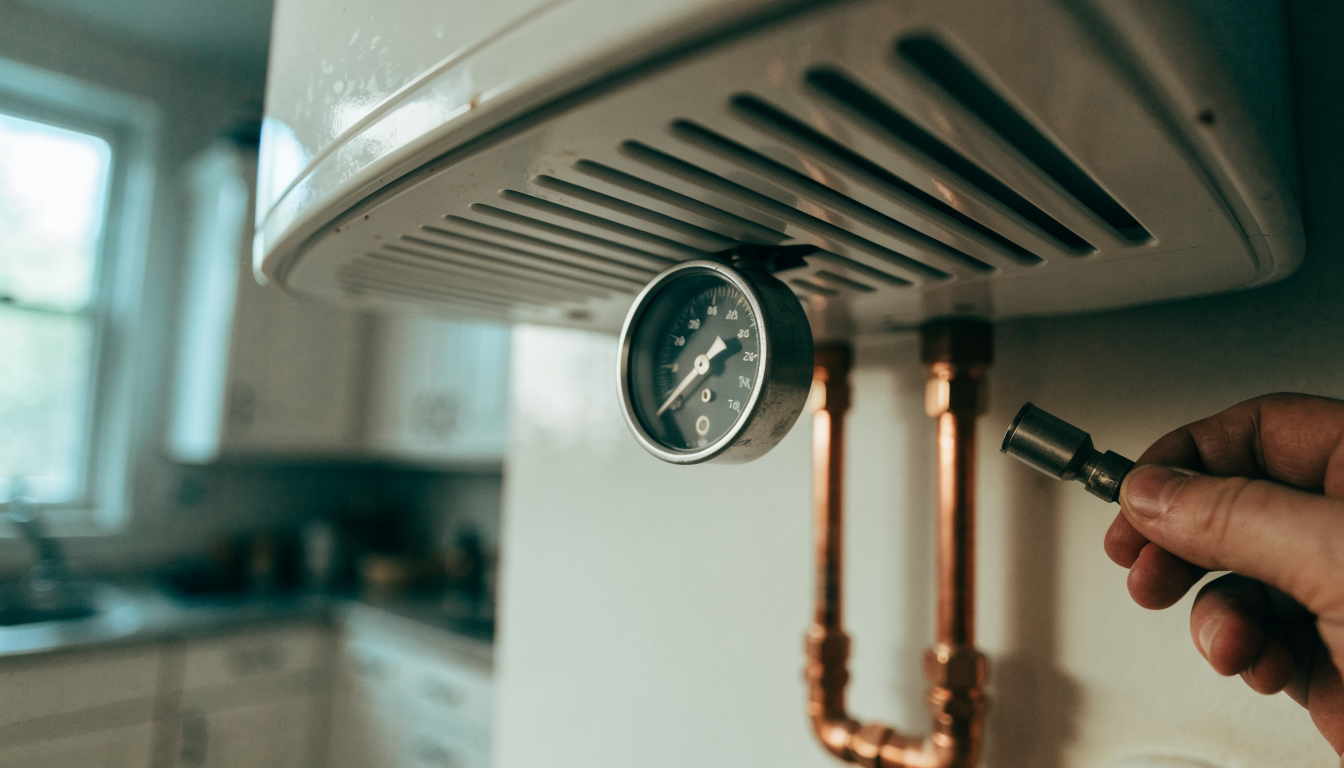
Energizer Max AA alkaline multipack on AmazonIf the pressure gauge is the problem, topping the system back up is a job most people can do themselves in about ten minutes using the filling loop, and the full method is set out in how to repressurise a boiler. Worth knowing before you do it: pressure that drops again within days means there is a leak somewhere, and topping up repeatedly is treating the symptom.
Reading the symptom: what each pattern points at
The detail of how the fault behaves narrows it down a long way. Match your situation to the closest row.
| What you are seeing | Most likely cause | Who can fix it |
|---|---|---|
| Every radiator stone cold, boiler never fires for heating at all | Controls: programmer, room thermostat, boiler mode or a flat battery | You |
| Boiler fires briefly, then locks out or shows a low pressure code | System pressure below the boiler's minimum | You, unless it keeps dropping |
| Combi: hot water instant and plentiful, heating never comes on however you set the controls | Diverter valve stuck on the hot water side, or a pump or PCB fault | Gas Safe engineer |
| Cylinder system: cylinder gets hot, radiators cold, and you can hear the boiler and pump running | Motorised zone valve on the heating circuit stuck shut or its motor failed | Heating engineer |
| Radiators only warm up while the hot water is heating, then go cold | Zone valve stuck partly open, or a wiring centre fault bridging the two circuits | Heating engineer |
| Some radiators hot, some cold, boiler and hot water both fine | Not this fault. Air, sludge, a closed valve or a balancing problem | Usually you |
| Radiators cold, boiler silent, no display lit at all | Not this fault either. Check the fused spur and the consumer unit | You, then an electrician |
That second to last row catches more people than you would expect. If only some radiators are cold, you do not have the fault this page is about, and the cause is almost always inside the radiators rather than the boiler. Work through why a radiator is not heating up instead, because cold at the top and cold at the bottom mean two completely different things and only one of them is fixed by bleeding.
Combi boilers: the diverter valve, explained properly
A combi boiler heats one thing at a time. It has a single heat exchanger and a single pump, and a component called the diverter valve decides where that heat goes. When nobody is running a tap, the valve sits in the heating position and hot water circulates around the radiators. The moment you open a hot tap, a flow sensor tells the boiler, the valve swings across, and every bit of the boiler's output goes to the tap instead. That is why a combi's radiators cool very slightly during a long shower.
The valve moves several times a day, every day, for years, through water that carries dissolved minerals and, on an older system, magnetite sludge. What fails is rarely dramatic. The valve body scales up and the moving part starts to bind. The rubber seat hardens and stops sealing. The small motor or actuator that drives it wears out. Once the valve sticks on the hot water side, the boiler has no way of sending heat to the radiators, and you get precisely this symptom: perfect hot water, cold heating, no fault code.
The tell that makes a diverter valve likely rather than possible is that the controls are demonstrably calling for heat and nothing happens. The programmer is on, the room thermostat is wound up, the boiler either does not fire at all for heating or fires and the flow pipe out of it stays cool, while the hot tap still delivers instantly. If you have worked the six free checks and that is where you have ended up, the diverter valve is the first thing an engineer will look at.
Now the honest part. A diverter valve sits inside the boiler casing. Getting to it means removing the case of a gas appliance, draining part of it and reassembling it correctly afterwards. That is not a DIY job, it is not a job for a general plumber, and it is not a matter of opinion. You will also see advice online about tapping a stuck valve or cycling the hot tap to free it. On a combi that means working on the appliance itself, so leave it alone.
Cylinder systems: motorised zone valves and the tell of a stuck one
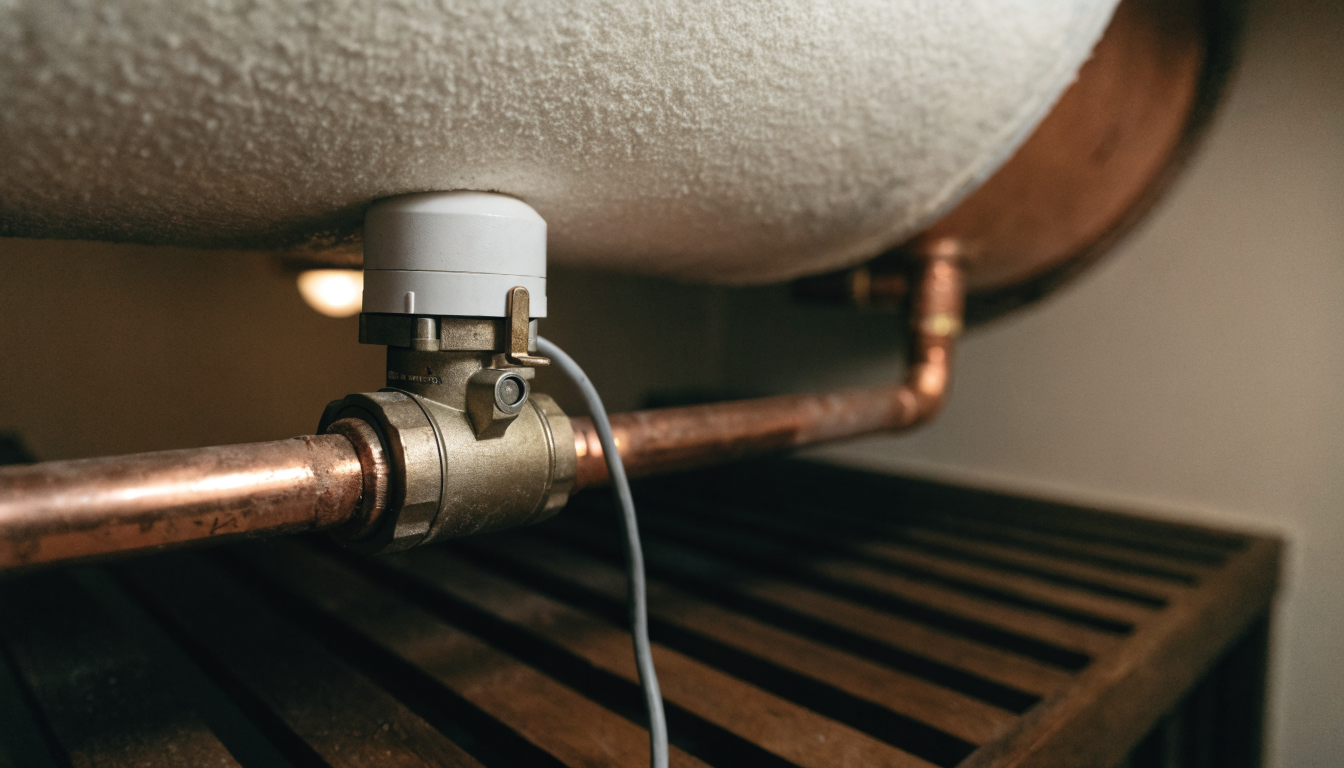
If you have a cylinder, the diverting is not done inside the boiler. It is done by motorised zone valves, usually sitting on the pipework in or near the airing cupboard with a small plastic head on top and a cable running out of it. A two-port valve system has one valve for heating and one for hot water. A three-port mid-position valve does both jobs from a single head.
Each valve does two things at once. It physically opens the pipe, and it closes an internal microswitch that tells the boiler and pump to start. So a failed heating valve gives you two separate failure modes. If the motor has burnt out, the valve never opens and the heating never gets water. If the valve has seized mechanically, the motor can still close the switch and fire the boiler while no water actually goes anywhere, which is why some people report the boiler running with cold radiators.
The tell of a stuck zone valve
With the heating switched on and calling, put a hand on the pipes either side of the valve head. If the pipe going into the valve is hot and the pipe leaving it is cold, the valve is not passing water. Most motorised valves also have a small manual lever on the side of the head. If yours is already in the manual open position and the radiators are still cold, the problem is downstream of the valve. If sliding it to manual open sends heat to the radiators, the valve or its motor is the fault and needs replacing. Never leave a valve latched in manual open as a permanent fix: it disables the control that was supposed to switch your heating off.
The other cylinder-specific culprit is the wiring centre, the small junction box where the programmer, cylinder thermostat, room thermostat and valves all meet. A corroded terminal or a failed cylinder thermostat can leave the system permanently satisfied on hot water and permanently ignoring heating. Diagnosing that is a live electrical job on the heating controls, so it is engineer territory, but it is worth knowing it exists because a lot of people replace a perfectly good zone valve first.
Central heating not working but hot water is: what the controls are actually doing
It helps to understand why this fault splits so cleanly. In nearly every UK heating system, heating and hot water are two separate demands with two separate control paths. Hot water is asked for by the programmer plus, on a cylinder system, the cylinder thermostat. Heating is asked for by the programmer plus the room thermostat plus, on many systems, a zone valve.
The heating path has more components in it than the hot water path. That is the whole explanation for why heating fails on its own so much more often than hot water does. Every extra component is another thing that can lose a battery, drop a wireless pairing, seize, or simply be set wrong by somebody.
It also explains a question people ask constantly, which is why the heating only seems to work when the hot water is on. On a three-port mid-position valve, the valve can stick in the position it uses when both circuits are calling. Hot water demand then drags the heating along with it, and as soon as the cylinder is satisfied and the valve tries to move back, the radiators go cold. That is a valve fault, not a quirk of the system, and it will not fix itself.
One control worth ruling out while you are at it: thermostatic radiator valves can seize shut over the summer with the pin stuck down, and if enough of them have done it the heating can feel almost entirely dead. That is a per-radiator fault rather than a system one, but it is free to check and takes two minutes.
Where the job legally stops being DIY
What you are allowed to do yourself is everything on the controls side that does not involve the appliance: setting the programmer, changing thermostat batteries, adjusting or replacing a room thermostat on its own wiring, checking valves by hand, repressurising the system through the filling loop, and bleeding or balancing radiators. That is a genuinely useful amount of ground, and it covers the majority of the free checks above.
If the fault turns out to be the controls, what replacing them involves
A room thermostat that has genuinely failed, as opposed to one with flat batteries, is one of the cheaper heating faults to put right. A basic wired or wireless room thermostat is a low cost item at the trade counters, and Screwfix stock the usual Drayton, Honeywell Home and ESI units alongside smart ones. A programmer is a similar sort of component and central heating programmers sit in the same price bracket.
Two cautions from the counter. First, a like for like swap on a wireless thermostat is far easier than changing brand, because the receiver has to pair with the head and mixing manufacturers usually means replacing both. Second, replacing a programmer means working on mains wiring inside the backplate, and the wiring behind a programmer is rarely as tidy as the instructions assume. People used to come in for a new programmer and go away with an electrician's number.
What the repair costs, and why nobody can quote you a figure from a web page
No boiler manufacturer publishes a repair price for a diverter valve or a zone valve, and the national breakdown cover providers price per visit and per job rather than per part. Any headline number you read on a content site is an estimate somebody has produced, not a published price, and it is worth treating it as such. I am not going to invent one here.
What is worth knowing is what actually moves the bill, roughly in order of impact.
- Which component it is. A zone valve head that clips off its body is a short job. A diverter valve buried behind the heat exchanger of a combi can be several hours.
- Whether the part is still made. Obsolete parts for older boilers are the single biggest cause of a quote turning into a boiler replacement conversation.
- Whether it is one visit or two. An engineer who has to diagnose, order and return charges for two visits.
- When you call. Evenings, weekends and the January peak all carry a premium, and January is precisely when this fault appears.
- Where you are. Labour rates vary widely across the UK and London is its own market.
- Whether you have cover. A breakdown policy changes the arithmetic completely, though most exclude pre-existing faults and have an initial exclusion period.
One more thing to weigh before you authorise a repair. If the boiler is old and this is not its first fault, spending on a diverter valve may be money into an appliance that is close to the end anyway. How long a boiler lasts and when to replace it sets out what to look at, and the honest answer is usually that a repair is worth doing up to a point and then suddenly is not.
Staying warm while you wait for an engineer
If it is January and the earliest appointment is four days away, you need heat in the meantime and that is a real problem rather than an upsell. A plug-in electric heater is the practical answer for one or two rooms, and an oil-filled radiator is the right type for a room you are sitting or sleeping in: it is silent, it has no exposed element, and it keeps giving heat off after the thermostat cuts the power.
Heating one room until the engineer arrives
Electricity costs several times more per unit than gas under the Ofgem price cap, so this is a stopgap and not a plan. For a few days in one room it is the sensible stopgap, and sizing it correctly matters more than the brand.
Two practical points while you are running on electric heat. Do not use an extension lead for a heater at full power, plug it straight into a socket. And if the weather is genuinely cold and the boiler is off entirely, keep an eye on pipework in unheated spaces, because preventing burst pipes becomes a live concern once a house stops being heated at all.
When none of this will fix it
Some versions of this problem are not going to respond to anything on this page, and it is better to know that before you spend an afternoon on it.
- The pump has seized. Common on systems that sat unused all summer. On a combi the pump is inside the boiler. On a cylinder system it is usually in the airing cupboard, but it is still a wet electrical component and a replacement is an engineer's job.
- The printed circuit board has failed. A PCB can lose the heating side while keeping the hot water side. There is no external symptom that distinguishes this from a diverter valve, which is one reason diagnosis is worth paying for.
- The system is heavily sludged. Years of magnetite can leave the circulation so poor that the radiators barely warm even when everything else is working. That needs a powerflush rather than a part.
- The pressure keeps falling. If you top it up and it drops again, you have a leak, and repressurising it every week is masking it.
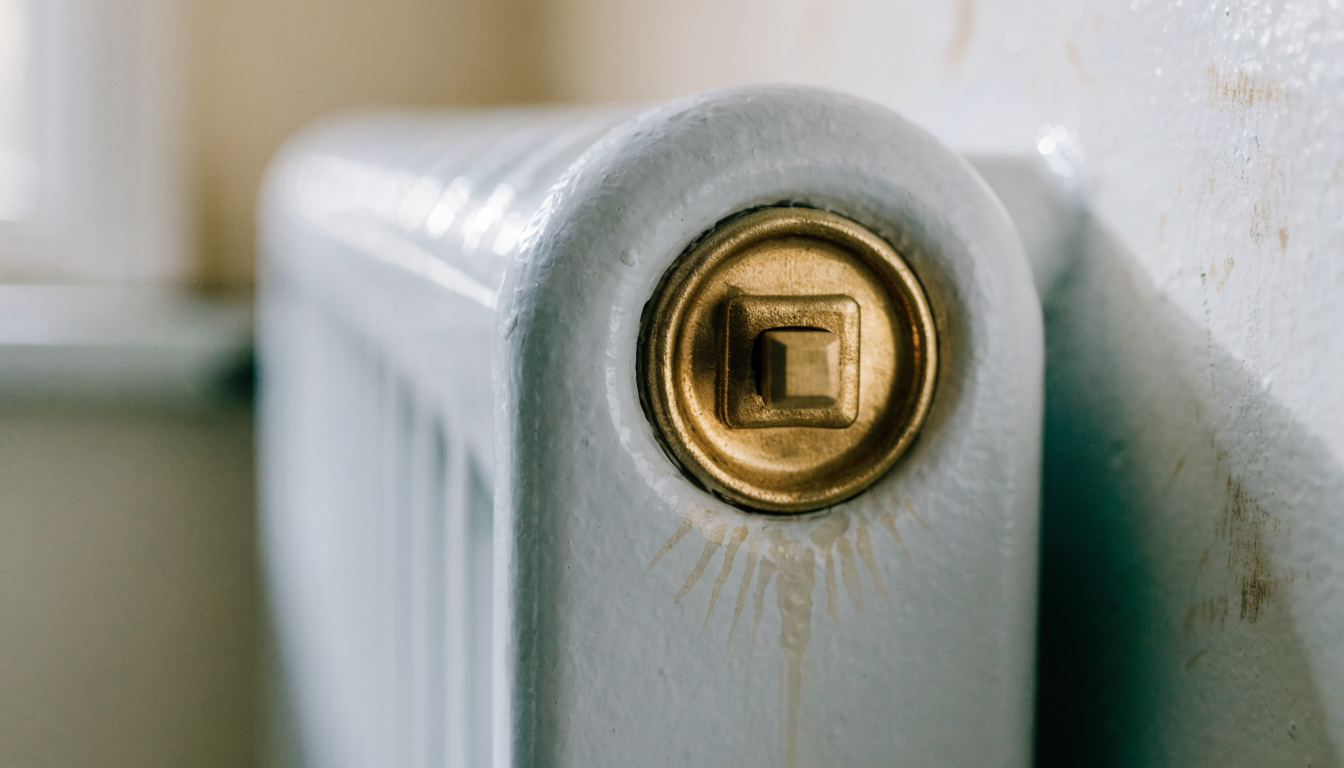
- Only some radiators are cold. That is a different fault entirely. Start with bleeding the radiator only if the cold part is the top, and read the diagnosis first if it is the bottom.
If you rent: what your landlord has to do
This comes up constantly alongside the fault itself and almost none of the pages that rank for it will tell you, because most of them are selling boiler cover or boiler repairs.
Section 11 of the Landlord and Tenant Act 1985 requires the landlord to keep in repair and proper working order the installations in the dwelling for space heating and heating water. That duty is implied into almost every short residential tenancy and it cannot be contracted out of by the tenancy agreement.
What the Act does not do is set a deadline. There is no statutory number of hours or days in section 11. The standard is repair within a reasonable time once the landlord has been told, and what counts as reasonable depends on the circumstances, which in practice means that a total loss of heating in midwinter is treated far more urgently than the same fault in June. Report it in writing, keep the date, and tell your local council's environmental health team if nothing happens, because they have separate powers over hazards in rented homes.
Frequently asked questions
Why does my heating only work when my hot water is on?
Almost always a three-port mid-position valve that has stuck in its both-circuits position. When the cylinder calls for heat the valve is already where the heating needs it to be, so the radiators warm up as a side effect. Once the cylinder is satisfied the valve tries to move back, fails to hold the heating port open, and the radiators cool. It is a mechanical fault in the valve and it needs replacing, not adjusting.
Why isn't my house heating but the hot water works?
Because heating and hot water are separate demands with separate control paths, and the heating path has more components in it. Work the six free checks first: programmer, thermostat setting, thermostat batteries, boiler mode, system pressure and smart control connection. If all six are clear, you are looking at a diverter valve on a combi or a motorised zone valve on a cylinder system, and both need an engineer.
Why would I have no heating or hot water at all?
That is a different and usually simpler picture, because it points at something common to both: no power to the boiler, no gas supply, a boiler lockout showing a fault code, a condensate pipe frozen in cold weather, or system pressure far too low. Check the fused spur next to the boiler, check other gas appliances, and write down any fault code on the display before you reset anything, because the code is the most useful thing you can give an engineer on the phone.
How long can you legally be left without heating and hot water?
There is no fixed legal period. Section 11 of the Landlord and Tenant Act 1985 obliges a landlord to keep heating and hot water installations in repair and proper working order but sets no timescale, so the test is repair within a reasonable time from when the landlord was notified. Severe cold, and the presence of children, elderly or vulnerable occupants, all shorten what a court or an environmental health officer would consider reasonable.
Can I get compensation for no heating and hot water?
There is no statutory compensation tariff for a tenant left without heating. The route that exists is a disrepair claim against the landlord for failing the section 11 duty, in which the loss of use of part of the home is valued as a reduction against the rent paid for the period. Amounts depend entirely on how long, how bad and how much of the property was affected, so anyone quoting you a fixed figure is guessing. Keep dated records and get advice from Shelter, Citizens Advice or your council before doing anything about the rent itself.
Is no heating or hot water an emergency?
Not automatically, but it is treated as urgent in cold weather and as a genuine emergency where the occupants are elderly, very young, unwell or disabled. It becomes a real emergency for anyone if you can smell gas, in which case leave the property and call the National Gas Emergency Service on 0800 111 999 immediately, or if a carbon monoxide alarm sounds. Neither of those is a heating fault to troubleshoot.
Can I unstick a diverter valve myself?
On a combi, no. The diverter valve is inside the casing of a gas appliance and reaching it is work that legally requires Gas Safe registration under regulation 3 of the Gas Safety (Installation and Use) Regulations 1998. On a cylinder system the equivalent component is a motorised valve on accessible pipework, and the manual lever on the side of the head is there for exactly this purpose, so testing it by hand is reasonable. Replacing the valve is still a job for a heating engineer because it involves draining part of the system and live wiring.
Related guides
- How to repressurise a boiler, if the gauge is reading low and the heating will not run.
- Radiator not heating up? The diagnosis to run if only some of your radiators are cold.
- Best oil-filled radiators, for heating one room while you wait for the engineer.
- Combi boiler pros and cons, if you are not certain which type of system you have.
- How long does a boiler last? Worth reading before you authorise an expensive repair.



0 Comments